






Office security is no longer limited to locking doors and installing a few cameras near the entrance. Modern workplaces need practical ways to protect equipment, review unexpected incidents, manage access to sensitive areas and maintain reliable security records. However, installing CCTV cameras does not automatically solve these challenges. The system must be planned around the workplace, its risks and the way the business operates.
A well-planned surveillance system can support day-to-day security and make it easier to investigate incidents when they occur. The real value comes from understanding what needs to be monitored, how recordings will be used and what could prevent the system from working when it is needed most.
How Modern Offices Are Evolving with CCTV Technology
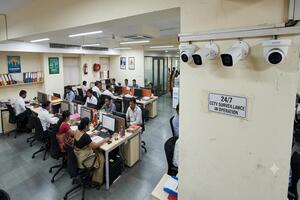
Modern offices are using CCTV cameras for more than traditional security. As workplaces adopt digital tools, flexible working arrangements, shared spaces and connected infrastructure, surveillance is becoming part of a broader approach to workplace management. Businesses increasingly need systems that help them review incidents, protect valuable equipment and maintain reliable records when something goes wrong.
The shift is not simply about installing more cameras. It is about making surveillance more useful. Depending on the system, features such as remote viewing, motion-based alerts, clearer night-time recording and secure digital storage can help authorised staff review activity even when they are away from the premises. Advanced systems may also offer video analytics, although their usefulness depends on the technology, installation conditions and configuration.
When choosing a CCTV camera for office use, businesses should begin by identifying the problems they want to address rather than selecting equipment based only on price. Some may need better oversight of entry points, while others may want to protect valuable equipment, review incidents after working hours or maintain visibility across multiple floors. Clear priorities help businesses choose practical features without paying for unnecessary technology.
Modern surveillance should also support the office as it grows. A system that allows future expansion can be useful for businesses planning to add workstations, open new departments or move into larger premises. At the same time, reliable recording, restricted access to footage, employee privacy and regular maintenance remain essential. The most effective setup is not necessarily the most advanced one; it is the one that addresses genuine security needs and remains dependable over time.
Assess Security Risks Before Deciding What to Monitor
One common mistake is treating every part of an office as equally important. In practice, different areas present different risks. A reception area may require a clear record of visitors, while a storage room may need monitoring because it contains laptops, tools, documents or other valuable assets.
Before choosing a system, businesses should consider the incidents they are most concerned about. These might include unauthorised entry, missing equipment, disputes over access, damage to property or activity outside working hours. This assessment helps determine where surveillance may be useful and where other measures, such as access controls or better lighting, may be more appropriate.
For businesses evaluating a CCTV Camera for office in Delhi, the decision should reflect the actual premises and working environment rather than relying on a standard camera package. Office size, access arrangements, operating hours and the value of equipment all influence the security requirements. A clear assessment at the beginning can prevent gaps that become obvious only after an incident.
Know What Your Recordings Need to Establish
A camera can record activity without capturing enough detail to make the footage useful. For example, a recording may show that someone entered a room but fail to provide a clear view of the person's face, the item being carried or the sequence of events.
This is why businesses should think about the purpose of the footage before finalising a system. Do they need to identify people, review the movement of equipment, establish when an incident occurred or understand how someone accessed a restricted area? Each requirement may place different demands on image quality, camera positioning, lighting and recording settings.
It is also important to consider time and date accuracy. Incorrect timestamps can make it harder to match video recordings with visitor logs, access-control records or reports from employees. Businesses should ensure that recording settings are configured correctly and checked periodically.
The aim is not to capture as much footage as possible. It is to obtain clear, relevant recordings that can help authorised staff understand an event when they need to investigate it.
Decide How Long Footage Should Be Retained
Recording storage is often considered only after the cameras have been installed. This can create problems when a business discovers that older footage has already been overwritten before an incident is reported.
The appropriate retention period depends on the nature of the workplace, the risks involved, the available storage and any applicable legal or contractual requirements. A business that handles valuable inventory may have different needs from a small office with limited equipment. Longer retention also requires more storage capacity and may increase costs.
Businesses should establish a sensible retention policy rather than keeping every recording indefinitely. Access to stored footage should be limited to authorised people, and recordings should be preserved promptly when a legitimate incident requires investigation. Any retention arrangements should also account for applicable privacy and data-protection obligations.
Planning these details early helps businesses balance storage costs with the practical need to retrieve relevant footage when necessary.
Treat Reliability as an Ongoing Business Requirement
A surveillance system may appear to work correctly while still having weaknesses that become apparent during an incident. A disconnected camera, a failed hard drive, an incorrect recording setting or a power interruption can leave gaps that are difficult to detect without routine checks.
Businesses should establish a simple maintenance routine. This can include checking whether cameras are online, confirming that recordings are being saved, reviewing image quality and testing access to playback. Storage devices and other system components should also be checked according to the manufacturer's recommendations.
When evaluating a CCTV Camera for office in Chandigarh, it is worth considering the support arrangements alongside the initial purchase. Ask who will handle technical problems, how faults can be reported and whether maintenance visits or replacement components involve additional charges. Knowing how support works can help prevent an inexpensive initial setup from becoming costly or unreliable over time.
Power and network interruptions deserve particular attention. Depending on the system, a suitable backup power arrangement, properly configured local recording or a reliable network connection may help reduce disruption. Businesses should confirm which functions continue during an outage instead of assuming that remote viewing and recording will always remain available.
Prepare a Clear Response Plan for Security Incidents
CCTV footage is most useful when a business knows what to do after an incident. Without a clear process, employees may not know who is responsible for reviewing recordings, how footage should be preserved or who is authorised to share it.
A practical response plan should identify the person responsible for reviewing an incident, explain how relevant recordings can be located and establish how the footage will be handled. If a recording may be needed for a formal complaint or investigation, the original file should be preserved appropriately, with access restricted to authorised personnel.
This is particularly relevant in busy workplaces and shared commercial premises. A business considering a CCTV Camera for office in Mumbai may need to coordinate security responsibilities with building management, reception teams or other authorised parties. Clear procedures can reduce confusion when an incident involves common entrances, shared facilities or several departments.
Businesses should also avoid relying on CCTV as their only response to security problems. Reporting procedures, physical access controls and communication with relevant personnel remain important. Cameras can provide useful evidence, but they do not replace an effective incident-management process.
Plan for Growth Without Buying More Than You Need
Business requirements change over time. A small team may eventually occupy additional rooms, introduce new equipment or move into a larger office. A system designed only for today's layout may become difficult or expensive to expand later.
Planning for growth does not mean purchasing the maximum number of cameras at the outset. Instead, businesses can identify likely future requirements and check whether the proposed system can accommodate them. Depending on the setup, this may involve available recording channels, storage capacity, network infrastructure, software compatibility and the ability to add authorised users.
For a growing company exploring a CCTV Camera for office in Gurgaon, the priority may be to choose a setup that meets current needs while allowing sensible expansion. This approach can help avoid replacing the entire system simply because the business has added another floor or changed its layout.
It is equally important to review the system after major workplace changes. Renovations, new partitions, relocated workstations and changes to access arrangements can affect the usefulness of existing recordings. A periodic review helps ensure that the surveillance plan continues to reflect the way the office actually operates.
Make Employee Privacy and Accountability Part of the Plan
Workplace surveillance should protect the business without unnecessarily intruding on employees' privacy. Monitoring should have a clear purpose, and camera placement should be proportionate to that purpose. Areas where people reasonably expect privacy require particular care and should not be monitored inappropriately.
Businesses should explain the purpose of surveillance to relevant staff, establish who can view recordings and avoid sharing footage casually. Access permissions should be reviewed when employees change roles or leave the organisation. Where remote viewing is available, strong passwords, appropriate account permissions and secure system configuration can help reduce the risk of unauthorised access.
When planning a CCTV Camera for office in Ghaziabad, businesses should consider how monitoring policies will work in everyday operations, not just where cameras will be installed. Clear internal rules can help employees understand why surveillance is used, how recordings are handled and who is accountable for accessing them.
The exact requirements will depend on the workplace and applicable laws. Businesses should review relevant legal obligations before implementing surveillance, particularly where footage may include employees, visitors or other identifiable individuals.
Compare Proposals Against the Same Requirements
Different CCTV proposals can be difficult to compare when each provider recommends a different setup. One quotation may include storage and installation materials, while another may list these separately. A lower headline price does not necessarily represent better value if important components or support arrangements are excluded.
Before making a decision, businesses should ensure that each proposal addresses the same basic requirements. These may include the intended coverage, recording and storage arrangements, installation scope, warranty conditions, maintenance responsibilities and any recurring charges. It is also useful to confirm which features are included in the quoted price and which would cost extra.
Rather than focusing only on the number of cameras, consider how well each proposal addresses the risks identified during the planning stage. A smaller, carefully planned setup may be more useful than a larger system that leaves important requirements unresolved.
Businesses can also ask providers to explain the practical limitations of their recommendations. Understanding what a system cannot do is just as important as knowing which features it offers.
How CCTVBuddy Can Help You Explore Your Options
Finding a suitable CCTV provider involves more than locating someone who can supply and install cameras. Businesses also need to understand the proposed solution, compare costs and clarify what support will be available after installation.
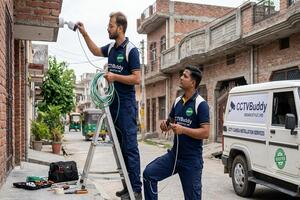
CCTVBuddy helps customers connect with local CCTV dealers and service providers for their requirements. By submitting an enquiry, businesses can explore available options and compare quotations from relevant providers, subject to local availability. This can make it easier to review different proposals before deciding which provider best suits the workplace.
Before proceeding, discuss the installation scope, equipment specifications, warranty, maintenance arrangements and payment terms directly with the selected provider. Check that the quotation reflects the agreed requirements and that any additional charges are clearly explained.
The final choice should be based on the suitability of the system, the provider's credibility, the clarity of the quotation and the support offered—not simply the lowest price.
Make Office Surveillance a Planned Investment
A useful CCTV system starts with a clear understanding of workplace risks and continues with reliable operation, responsible footage management and periodic reviews. Modern features can improve convenience, but they cannot compensate for unclear objectives, poor maintenance or weak access controls.
By defining what the system needs to achieve, planning for recording and storage requirements, protecting employee privacy and comparing proposals carefully, businesses can make more informed decisions. The goal is to build a dependable security arrangement that supports the workplace today and can adapt as its needs change.